Rosh Ha-Shanah Message from the Head of School

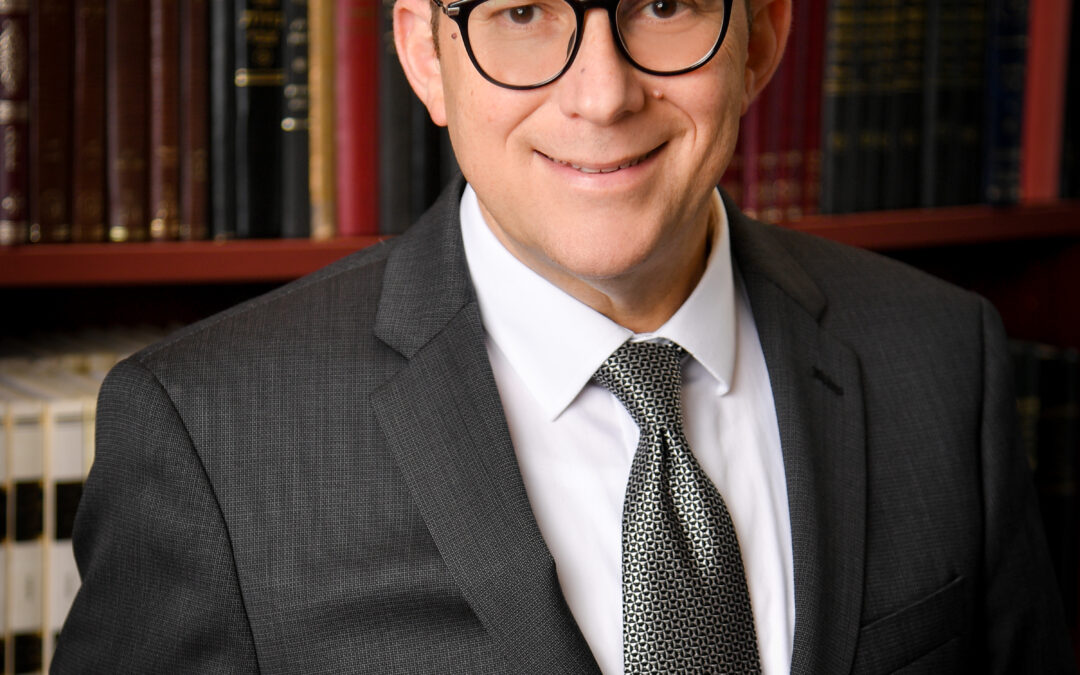
Rabbi Grossman
Head of School
I write in my Rosh Ha-Shanah message about our power to make choices that can change our destiny. At the same time, the passing of my mother reminds me that life also presents us with realities over which we have no choice or control. It is in times like these that we define who we are by choosing how we react to tragedy.
The outpouring of kindness and love by the Akiva family following my mother’s death has been a great comfort to my family and me, and is indicative of the core values of the school that we choose to follow. Thank you for the messages of support and friendship. May the new year be filled with kindness, love, and life for all of us.
Hakot tzafui v’hareshut netunah—All is foreseen, and choice is given.
In August of 1981, the New York Times printed an article about a new phenomenon in children’s literature, the Choose Your Own Adventure book. Those of us who grew up in the 1980’s and 1990’s or who were rearing young children in that era will likely remember the genre, which sold over 250 million volumes during those two decades. Written and invented by Manhattan lawyer Edward Packard, the idea was initially mocked and rejected by publishers until it finally gained a foothold with the help of the Times’ article.

Choose Your Own Adventure Books
Packard had come up with the concept when making up bedtime stories for his two daughters. At one point in a story, he ran out of ideas and asked his daughters what they would do next, and each made a different choice. He wondered if he could write books that would allow readers the same option to make choices in the plot.
It took Packard a decade to find a publisher and market the books. Reflecting on the experience, he quoted the German philosopher Schopenhauer “…every original idea is first ridiculed, then vigorously attacked, and, finally, taken for granted.”
The idea was indeed original, and it is not surprising that it was initially mocked. Stories have been around almost as long as humanity itself, yet until Packard, stories were always about someone else. I remember picking up my first Choose Your Own Adventure book in Grade 7 and being struck by the word you: “You are setting out on an adventure, you have a choice, are you going to get onto the ship, or will you stay on the rocky shore?” Every book I had read before was written in either the first or the third person; a story by or about someone else. This was the first time that the narrative was in second person and was about me. Books are designed to tell other people’s stories so that we might learn from them, be inspired by them, or be cautioned by them. Before Packard, books did not allow the reader agency: it was his-story, not my story.
The story of the Jewish people is, arguably, the greatest story ever told; 3,500 years of heroes and adventures, suffering and victory, defeat and triumph. It is impossible not to be inspired; what is more difficult is to find one’s own place. We ask: How do my decisions make a difference in such a grand narrative?
This is the message of the High Holidays: Your fate and the fate of the world is in the balance, and you have the choice what path to take. Every decision you make affects you, and also impacts the Jewish people and the world: whether the next year will be a year of goodness and health, life or death. The Mahzor is our Choose Your Own Adventure book; each of its pages presents a choice and, like the original, while every person in synagogue will be reading the same book, each will make different choices that will lead to different ends.
Packard’s series lasted from 1979-1998. I have often wondered why such a successful serial had such a precipitous end. Perhaps we are more comfortable allowing other people to make our decisions and having others write stories for us.
Our tradition forces us, once a year, to feel the power of making choices, taking agency in our lives. It is the same animating power that created the excitement in Packard’s daughters and the millions of children who read his books. As we enter these Days of Awe, we are reminded that God allows us to be both part of the Divine story of the Jewish people, and at the same time to choose our own destiny: Hakot tzafui v’hareshut netunah—All is foreseen, and choice is given.
Karynne, Ezra, and Max join me in wishing the Akiva community a shanah tovah.
Rabbi Eric Grossman